ॐ साईं राम

🙂 Largest Interior & Architectural Brand Across Noida - Delhi - NCR 🙂 Bring Us any Quote & Take Flat 7% Off. 100% Guaranteed Quotes for all Modular Interiors, End To End Interiors & Architectural Solutions.

Ceiling Design

Ceiling Design

Unveiling Elegance: 8 Mesmerizing Hall False Ceiling Designs That Will Leave You in Awe

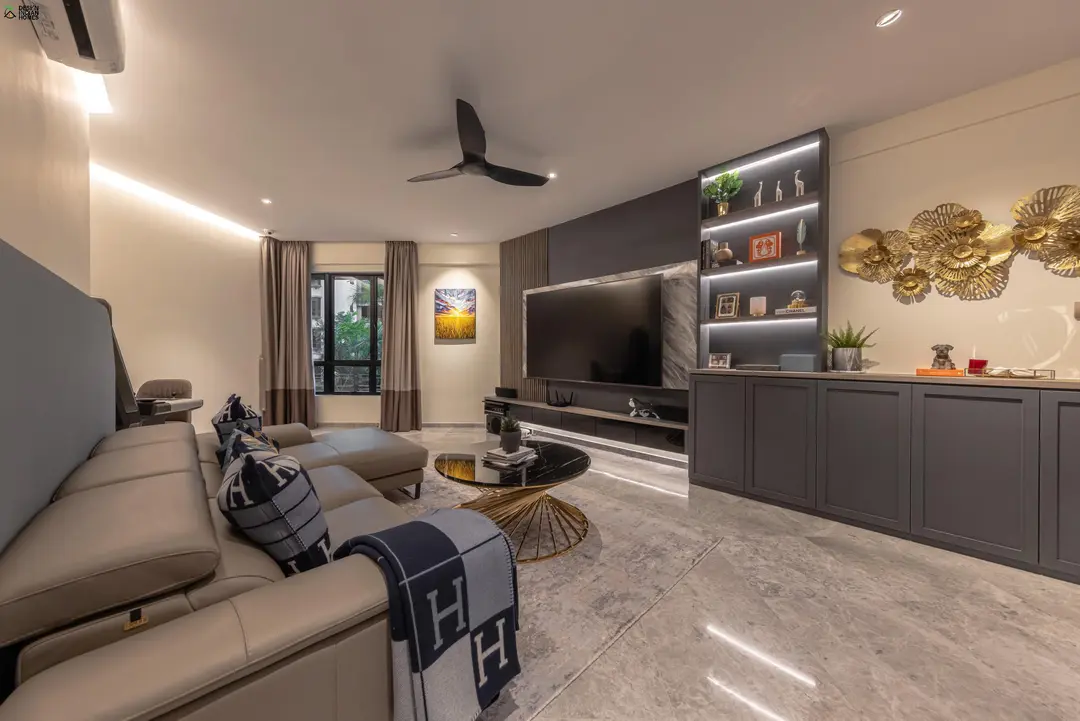
Unveiling Elegance: 8 Mesmerizing Hall False Ceiling Designs That Will Leave You in Awe A living room or hall is often the heart of a home—it’s where conversations happen, guests are welcomed, and memories are made. While furniture and wall décor play an important role, the ceiling is often the most overlooked design element. Yet, a thoughtfully designed false ceiling can completely transform the mood, depth, and luxury of your space. If you’re planning a home upgrade, exploring 8 Mesmerizing Hall False Ceiling Designs That Will Leave You in Awe can help you reimagine your interiors in the most stunning way. Why False Ceilings Matter in Modern InteriorsFalse ceilings are no longer just functional additions for hiding wiring or improving acoustics. They have become a central design feature in modern homes. In urban spaces like Delhi, homeowners are increasingly using ceiling designs to add character, lighting effects, and a sense of sophistication to their living areas. A well-planned ceiling design enhances lighting distribution, improves insulation, and adds depth to a room. More importantly, it becomes a visual statement that defines the entire space. This design works especially well in compact apartments where subtle elegance is preferred over heavy detailing. This layered approach is a key highlight of 8 Mesmerizing Hall False Ceiling Designs That Will Leave You in Awe, offering both luxury and structure. This design is perfect for evening relaxation and adds a warm, inviting atmosphere to your living space. This design is ideal for homeowners who want a balance between modern and earthy aesthetics. They are especially popular in contemporary homes where creativity and modern art influence interior design choices. When combined with LED lighting, POP ceilings become a stunning feature that elevates the entire room’s ambiance. It adds a futuristic and luxurious feel to the hall, making it one of the standout ideas in 8 Mesmerizing Hall False Ceiling Designs That Will Leave You in Awe. It works beautifully in large living rooms where the ceiling becomes a focal point of the entire space. Choosing the Right Ceiling Design for Your HomeSelecting the perfect false ceiling depends on your room size, lighting needs, and overall interior theme. Small rooms benefit from simple and light designs, while larger spaces can accommodate bold and layered structures. It’s also important to consider how the ceiling interacts with natural and artificial light throughout the day. The Role of Lighting in Ceiling DesignLighting is the soul of any false ceiling. Without proper lighting, even the most beautiful design can feel incomplete. LED strips, recessed lighting, and pendant fixtures all play a crucial role in enhancing the visual appeal. A well-lit ceiling not only improves aesthetics but also creates mood variations depending on usage and time of day. Materials That Define Durability and StyleCommon materials used in false ceilings include POP, gypsum board, wood, and PVC panels. Each material offers different benefits in terms of durability, maintenance, and design flexibility. Gypsum is widely used for smooth finishes, while wood adds warmth and elegance. Choosing the right material ensures long-lasting beauty and functionality. Professional Design Makes a DifferenceExecuting a flawless ceiling design requires precision and expertise. Professionals ensure proper measurements, lighting integration, and structural safety. Design experts like Design Indian Homes specialize in creating customized ceiling solutions that align with your overall interior theme, ensuring every detail is thoughtfully executed. Creating Harmony with the Rest of the InteriorA ceiling should never feel isolated from the rest of the room. It should complement wall colors, furniture, and flooring to create a cohesive look. Balance is key—overly complex ceilings can overwhelm a space, while well-integrated designs enhance harmony. This thoughtful coordination is what makes 8 Mesmerizing Hall False Ceiling Designs That Will Leave You in Awe truly impactful when applied correctly. Final ThoughtsA false ceiling is more than just an architectural feature—it’s an opportunity to redefine your living space. With the right design, lighting, and materials, your hall can transform into a luxurious and inviting environment. Whether you prefer minimal elegance or bold artistic expression, exploring 8 Mesmerizing Hall False Ceiling Designs That Will Leave You in Awe can help you discover the perfect style for your home. A well-designed ceiling doesn’t just complete a room—it elevates it entirely, making every moment spent indoors more beautiful and memorable. For More Details, Connect with Our team today &Book a Site Visit.100% Guaranteed Quotes across Mg Road – Modularkitchenindelhi.com Want to Design A Modular Kitchen? Visit: Design Indian Kitchen Want to Design A Modular Wardrobe? Visit:- Design Indian Wardrobe. Connect With Us For Complete Modular Kitchen Manufacturing Visit:- Modular Kitchen Manufacturers

Ceiling Design

Elevate Your Space: A Comprehensive Guide to Transformative Ceiling Decorating Ideas

Elevate Your Space: A Comprehensive Guide to Transformative Ceiling Decorating Ideas Ceilings are often the most overlooked element in interior design, yet they hold immense potential to transform the overall look and feel of a space. While walls, flooring, and furniture usually receive the most attention, the ceiling quietly defines depth, mood, and architectural character. In modern design, ceilings are no longer treated as blank surfaces—they are now considered a “fifth wall” that can dramatically influence ambiance and style. This detailed discussion explores creative approaches that help unlock the true potential of overhead design while offering inspiration for modern homes. One of the most impactful aspects of ceiling design is its ability to change perception of space. A well-designed ceiling can make a room feel taller, cozier, brighter, or more luxurious depending on the materials and patterns used. Whether it is a compact apartment or a spacious villa, thoughtful ceiling treatments can enhance proportions and bring balance to interiors. This is why modern designers increasingly rely on innovative overhead styling as part of holistic interior planning. Lighting plays a crucial role in ceiling aesthetics. Recessed lighting, pendant fixtures, chandeliers, and concealed LED strips can completely redefine how a room feels. For example, warm indirect lighting along ceiling edges creates a soft glow that adds depth and relaxation to living spaces. On the other hand, bold pendant lights can act as focal points, drawing attention upward and making the ceiling a design feature rather than a background element. Color selection is another powerful tool in ceiling transformation. While traditional interiors often stick to plain white ceilings, modern design encourages experimentation. Light pastel tones can add subtle warmth, while darker shades create intimacy and drama. Contrasting ceiling colors can also highlight architectural features such as beams or moldings. When chosen carefully, color becomes a defining element that shapes mood and visual interest. Texture is equally important when exploring ceiling aesthetics. Smooth plaster finishes offer a clean and minimal look, while textured surfaces like wood panels or patterned plaster add depth and character. Wooden ceilings, in particular, bring warmth and natural elegance, making them ideal for cozy living rooms or rustic-themed interiors. These textures not only enhance visual appeal but also influence acoustics and comfort. False ceilings have become a popular choice in contemporary homes due to their versatility and functionality. They allow designers to hide wiring, integrate lighting systems, and create layered effects that add dimension to rooms. A well-designed false ceiling can completely change the perception of space by introducing multiple levels and shapes. This makes them a key feature in modern interior planning. Geometric patterns are another exciting way to enhance ceiling design. Squares, circles, lines, and custom shapes can be incorporated into ceiling layouts to create a dynamic visual impact. These patterns can be subtle or bold depending on the overall theme of the room. Geometric ceilings are especially effective in modern and minimalist interiors where clean design language is essential. Wooden beams and structural elements are also widely used in ceiling design. Exposed beams add architectural interest and create a sense of authenticity and craftsmanship. They are particularly popular in farmhouse, rustic, and industrial-style interiors. Even in modern homes, carefully placed wooden beams can introduce warmth and contrast against sleek surfaces. Incorporating wallpaper or printed designs on ceilings is a growing trend in interior design. Floral patterns, abstract art, or subtle textures can add personality and uniqueness to a space. This approach works especially well in bedrooms and lounges where a more expressive design language is desired. Ceiling wallpaper can turn an ordinary room into a visually immersive environment. Metallic accents are another innovative way to elevate ceiling aesthetics. Gold, silver, or bronze finishes can be used in trims, lighting fixtures, or decorative panels to add a touch of luxury. These reflective surfaces interact beautifully with lighting, creating a sophisticated and glamorous atmosphere. Metallic details are often used in high-end residential and commercial spaces. Mirror ceilings, although less common, offer a bold and dramatic design statement. They create the illusion of expanded space and reflect light in unique ways, making rooms appear larger and brighter. This technique is often used in entertainment areas, dining rooms, or boutique-style interiors where visual impact is a priority. Ceiling height also plays a significant role in design decisions. High ceilings allow for more elaborate treatments such as chandeliers, layered lighting, or intricate moldings. Lower ceilings, on the other hand, benefit from simpler and more streamlined designs that avoid visual clutter. Understanding spatial proportions is essential for achieving balance and harmony. Acoustic considerations are becoming increasingly important in modern homes. Ceilings can be designed with sound-absorbing materials to reduce noise and improve comfort. Fabric panels, perforated wood, and acoustic tiles are commonly used in home theaters, offices, and living spaces where sound quality matters. This functional aspect adds another layer of value to ceiling design. Integration of smart lighting systems has also revolutionized ceiling aesthetics. Adjustable lighting modes allow homeowners to change ambiance according to mood or time of day. From bright task lighting to soft ambient glow, smart systems provide flexibility and convenience while enhancing visual appeal. Minimalist ceiling design is gaining popularity in urban homes. Clean lines, subtle lighting, and simple finishes create a calm and uncluttered environment. This approach focuses on functionality while maintaining elegance. Minimalist ceilings work particularly well in modern apartments where simplicity is key. On the other hand, luxury ceiling designs often feature intricate detailing, layered structures, and high-end materials. Crystal chandeliers, decorative moldings, and custom lighting installations are commonly used to create opulent interiors. These designs emphasize grandeur and sophistication. Natural elements are also being integrated into ceiling design. Bamboo panels, cork finishes, and eco-friendly materials bring sustainability and organic beauty into interiors. This approach aligns with the growing demand for environmentally conscious design solutions. Ceiling design in commercial spaces such as restaurants, offices, and hotels often focuses on branding and experience. Unique ceiling patterns and lighting arrangements help create memorable environments that enhance customer

Ceiling Design

Innovative Calcium Silicate False Ceiling Concepts

The Architectural Renaissance: Innovative Calcium Silicate False Ceiling Concepts The modern interior landscape is undergoing a radical transformation where the ceiling is no longer viewed as a forgotten utility surface but as the definitive crowning glory of a space. Among the materials driving this change, calcium silicate stands out as the most versatile medium for high-end engineering and artistic flair. By exploring Innovative Calcium Silicate False Ceiling Concepts, architects are now able to solve complex structural problems while achieving aesthetic feats that were previously considered impossible with traditional plaster or gypsum. The journey into Innovative Calcium Silicate False Ceiling Concepts begins with understanding the inherent molecular integrity of the material. Unlike its counterparts, calcium silicate is a cured composite of silica and hydrous calcium, reinforced with cellulose fibers. This unique composition provides a rigid, dimensionally stable board that serves as a perfect canvas for innovation. When we talk about innovation in this field, we are referring to the transition from flat, static surfaces to dynamic, multi-dimensional structures that interact with light, sound, and the very air we breathe. One of the most profound shifts in modern design is the move toward Parametricism. In the context of Innovative Calcium Silicate False Ceiling Concepts, parametricism involves using computational algorithms to create complex, fluid geometries. Because calcium silicate boards can be milled with extreme precision using CNC technology, designers can create “topographic ceilings.” Imagine a corporate lobby where the ceiling mimics the undulating peaks of a mountain range or the rhythmic pulse of a heartbeat. Each panel is cut to a specific coordinate, and when assembled, they create a seamless, flowing transition across the room. This approach eliminates the harsh angles of traditional construction, providing a sense of natural movement that calms the subconscious mind. Beyond the visual, the integration of technology represents a massive leap forward. The concept of the “Hidden Intelligence” ceiling is gaining traction. In this scenario, Innovative Calcium Silicate False Ceiling Concepts are used to mask the clutter of modern living. We are seeing the rise of integrated climate ceilings where the calcium silicate act as a radiant surface. By embedding capillary tube systems behind the boards, the ceiling can cool or heat a room without the need for noisy fans or unsightly vents. Furthermore, the material’s density allows for the installation of “invisible audio.” Transducers are mounted to the rear of the panels, turning the ceiling material itself into a speaker. The sound emanates from the entire surface, providing an immersive acoustic environment that is felt as much as it is heard. As we delve deeper into the 1500-word scope of this topic, we must address the intersection of sustainability and biophilia. The modern inhabitant craves a connection to the outdoors, and Innovative Calcium Silicate False Ceiling Concepts provide the perfect substrate for indoor ecosystems. Most ceiling materials fail when exposed to the constant humidity required for indoor plants, but calcium silicate is naturally moisture-resistant and anti-fungal. This allows for “Living Ceilings,” where recessed troughs are built into the false ceiling to house hydroponic ferns and hanging ivies. This innovation transforms a sterile office or a residential hallway into a “green lung,” actively filtering toxins from the air while providing the psychological benefits of greenery. Lighting, too, has evolved from being an accessory to being an architectural component. In Innovative Calcium Silicate False Ceiling Concepts, we see the death of the traditional “center bulb.” Instead, designers are utilizing “Negative Space Illumination.” This involves creating deep, narrow channels between the ceiling layers—often referred to as “knife-edge” details. By hiding high-output LED strips within these crevices, the light appears to bleed out of the cracks in the architecture. This creates a soft, ethereal glow that eliminates shadows and makes the ceiling appear to be floating independently of the walls. This “floating island” effect is particularly effective in high-stakes environments like luxury retail or surgical suites, where diffused light is a functional necessity. Furthermore, the industrial aesthetic has found a new best friend in calcium silicate. The “Raw Monolithic” concept is an innovation that celebrates the natural, stone-like texture of the material. Instead of covering the boards in thick layers of paint, architects are now using clear matte sealants. This highlights the subtle variations in the board’s surface, mimicking the look of expensive off-form concrete but at a fraction of the weight and cost. When combined with exposed mechanical fasteners or brushed aluminum shadow-gaps, this concept provides a sophisticated, “loft-style” finish that is both durable and timeless. Acoustic engineering is perhaps the most technical area of Innovative Calcium Silicate False Ceiling Concepts. In large public spaces like airports or auditoriums, echo and reverberation can be a nightmare. The traditional solution was ugly foam tiles. However, the new wave of innovation uses “Graduated Perforations.” Designers can now engineer boards where the density of the holes changes across the surface—starting small and tight near the center of the room and opening up toward the edges. This creates a visual gradient that is stunning to look at while simultaneously tuned to absorb specific sound frequencies. It is the perfect marriage of physics and art. In residential applications, the innovation often lies in “Spatial Zoning.” In modern open-plan homes, the living, dining, and kitchen areas often bleed into one. Innovative Calcium Silicate False Ceiling Concepts are used to define these zones without the need for walls. A circular, recessed dome over the dining table, paired with a linear, dropped bulkhead over the kitchen island, creates invisible boundaries. This architectural trick organizes the space visually and emotionally, providing a sense of intimacy in large, cavernous rooms. The structural integrity of calcium silicate also allows for “Heavy-Load Integration.” This is a concept where the ceiling serves as more than just a cover; it becomes a functional support system. Because the material is so stable, it can support integrated track systems for sliding room dividers or heavy, sculptural lighting installations that would cause gypsum to crack or sag. This allows for a “Transformable Space” where the layout