

Elevate Your Space: A Comprehensive Guide to Transformative Ceiling Decorating Ideas
Ceilings are often the most overlooked element in interior design, yet they hold immense potential to transform the overall look and feel of a space. While walls, flooring, and furniture usually receive the most attention, the ceiling quietly defines depth, mood, and architectural character. In modern design, ceilings are no longer treated as blank surfaces—they are now considered a “fifth wall” that can dramatically influence ambiance and style. This detailed discussion explores creative approaches that help unlock the true potential of overhead design while offering inspiration for modern homes.
One of the most impactful aspects of ceiling design is its ability to change perception of space. A well-designed ceiling can make a room feel taller, cozier, brighter, or more luxurious depending on the materials and patterns used. Whether it is a compact apartment or a spacious villa, thoughtful ceiling treatments can enhance proportions and bring balance to interiors. This is why modern designers increasingly rely on innovative overhead styling as part of holistic interior planning.
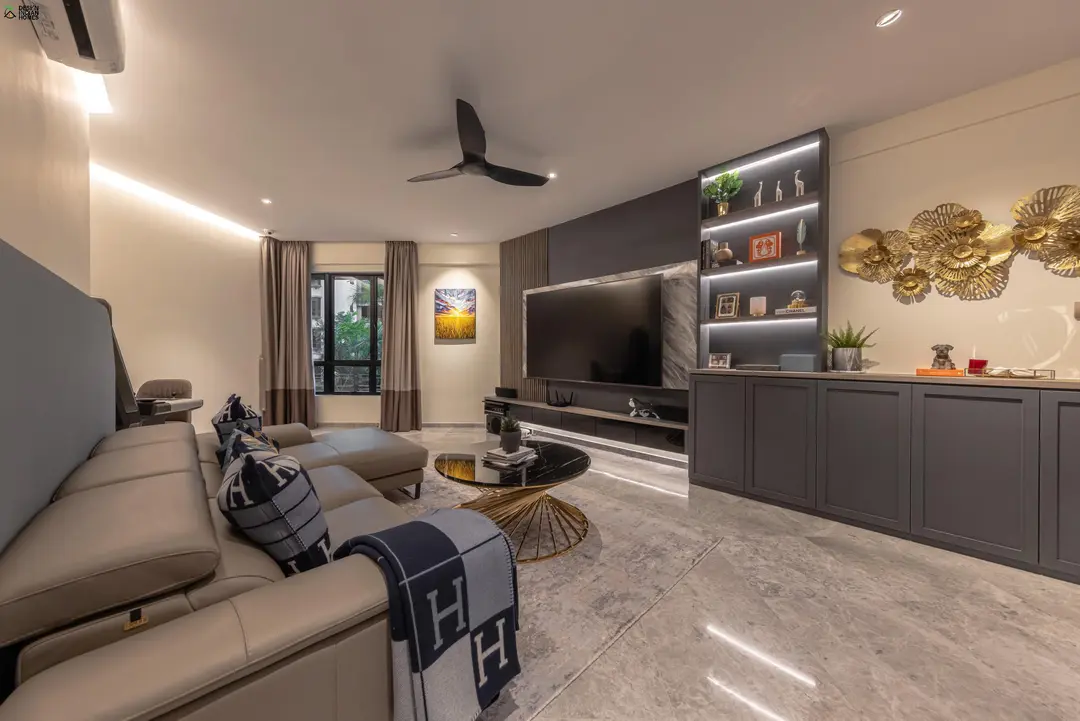
Lighting plays a crucial role in ceiling aesthetics. Recessed lighting, pendant fixtures, chandeliers, and concealed LED strips can completely redefine how a room feels. For example, warm indirect lighting along ceiling edges creates a soft glow that adds depth and relaxation to living spaces. On the other hand, bold pendant lights can act as focal points, drawing attention upward and making the ceiling a design feature rather than a background element.
Color selection is another powerful tool in ceiling transformation. While traditional interiors often stick to plain white ceilings, modern design encourages experimentation. Light pastel tones can add subtle warmth, while darker shades create intimacy and drama. Contrasting ceiling colors can also highlight architectural features such as beams or moldings. When chosen carefully, color becomes a defining element that shapes mood and visual interest.
Texture is equally important when exploring ceiling aesthetics. Smooth plaster finishes offer a clean and minimal look, while textured surfaces like wood panels or patterned plaster add depth and character. Wooden ceilings, in particular, bring warmth and natural elegance, making them ideal for cozy living rooms or rustic-themed interiors. These textures not only enhance visual appeal but also influence acoustics and comfort.
False ceilings have become a popular choice in contemporary homes due to their versatility and functionality. They allow designers to hide wiring, integrate lighting systems, and create layered effects that add dimension to rooms. A well-designed false ceiling can completely change the perception of space by introducing multiple levels and shapes. This makes them a key feature in modern interior planning.
Geometric patterns are another exciting way to enhance ceiling design. Squares, circles, lines, and custom shapes can be incorporated into ceiling layouts to create a dynamic visual impact. These patterns can be subtle or bold depending on the overall theme of the room. Geometric ceilings are especially effective in modern and minimalist interiors where clean design language is essential.
Wooden beams and structural elements are also widely used in ceiling design. Exposed beams add architectural interest and create a sense of authenticity and craftsmanship. They are particularly popular in farmhouse, rustic, and industrial-style interiors. Even in modern homes, carefully placed wooden beams can introduce warmth and contrast against sleek surfaces.
Incorporating wallpaper or printed designs on ceilings is a growing trend in interior design. Floral patterns, abstract art, or subtle textures can add personality and uniqueness to a space. This approach works especially well in bedrooms and lounges where a more expressive design language is desired. Ceiling wallpaper can turn an ordinary room into a visually immersive environment.
Metallic accents are another innovative way to elevate ceiling aesthetics. Gold, silver, or bronze finishes can be used in trims, lighting fixtures, or decorative panels to add a touch of luxury. These reflective surfaces interact beautifully with lighting, creating a sophisticated and glamorous atmosphere. Metallic details are often used in high-end residential and commercial spaces.
Mirror ceilings, although less common, offer a bold and dramatic design statement. They create the illusion of expanded space and reflect light in unique ways, making rooms appear larger and brighter. This technique is often used in entertainment areas, dining rooms, or boutique-style interiors where visual impact is a priority.
Ceiling height also plays a significant role in design decisions. High ceilings allow for more elaborate treatments such as chandeliers, layered lighting, or intricate moldings. Lower ceilings, on the other hand, benefit from simpler and more streamlined designs that avoid visual clutter. Understanding spatial proportions is essential for achieving balance and harmony.
Acoustic considerations are becoming increasingly important in modern homes. Ceilings can be designed with sound-absorbing materials to reduce noise and improve comfort. Fabric panels, perforated wood, and acoustic tiles are commonly used in home theaters, offices, and living spaces where sound quality matters. This functional aspect adds another layer of value to ceiling design.
Integration of smart lighting systems has also revolutionized ceiling aesthetics. Adjustable lighting modes allow homeowners to change ambiance according to mood or time of day. From bright task lighting to soft ambient glow, smart systems provide flexibility and convenience while enhancing visual appeal.
Minimalist ceiling design is gaining popularity in urban homes. Clean lines, subtle lighting, and simple finishes create a calm and uncluttered environment. This approach focuses on functionality while maintaining elegance. Minimalist ceilings work particularly well in modern apartments where simplicity is key.
On the other hand, luxury ceiling designs often feature intricate detailing, layered structures, and high-end materials. Crystal chandeliers, decorative moldings, and custom lighting installations are commonly used to create opulent interiors. These designs emphasize grandeur and sophistication.
Natural elements are also being integrated into ceiling design. Bamboo panels, cork finishes, and eco-friendly materials bring sustainability and organic beauty into interiors. This approach aligns with the growing demand for environmentally conscious design solutions.
Ceiling design in commercial spaces such as restaurants, offices, and hotels often focuses on branding and experience. Unique ceiling patterns and lighting arrangements help create memorable environments that enhance customer engagement. In such spaces, ceilings become a storytelling element that reflects identity and purpose.
Maintenance is another important consideration. Durable materials and easy-to-clean finishes ensure that ceilings remain visually appealing over time. Proper installation and material selection help reduce long-term upkeep while maintaining structural integrity.
Ultimately, ceiling design is about more than decoration—it is about shaping experience. A well-designed ceiling influences how a space feels, functions, and connects with its occupants. It has the power to elevate interiors from ordinary to extraordinary by adding depth, emotion, and creativity.
In conclusion, exploring innovative ceiling concepts opens up endless possibilities for transforming interiors. From lighting and color to texture and structure, every element contributes to the overall impact of a room. With thoughtful planning and creative execution, ceilings can become defining features that enhance beauty and functionality in equal measure.
For More Details, Connect with Our team today & Book a Site Visit. 100% Guaranteed Quotes across Dlf The Crest. Check out our Official Website for Modular kitchen & Wardrobe – Modularkitchengurgaon.com
Want to Design A Modular Kitchen? Visit: Design Indian Kitchen
Want to Design A Modular Wardrobe? Visit:- Design Indian Wardrobe
Connect With Us For Complete Modular Kitchen Manufacturing Visit:- Modular Kitchen Manufacturers