

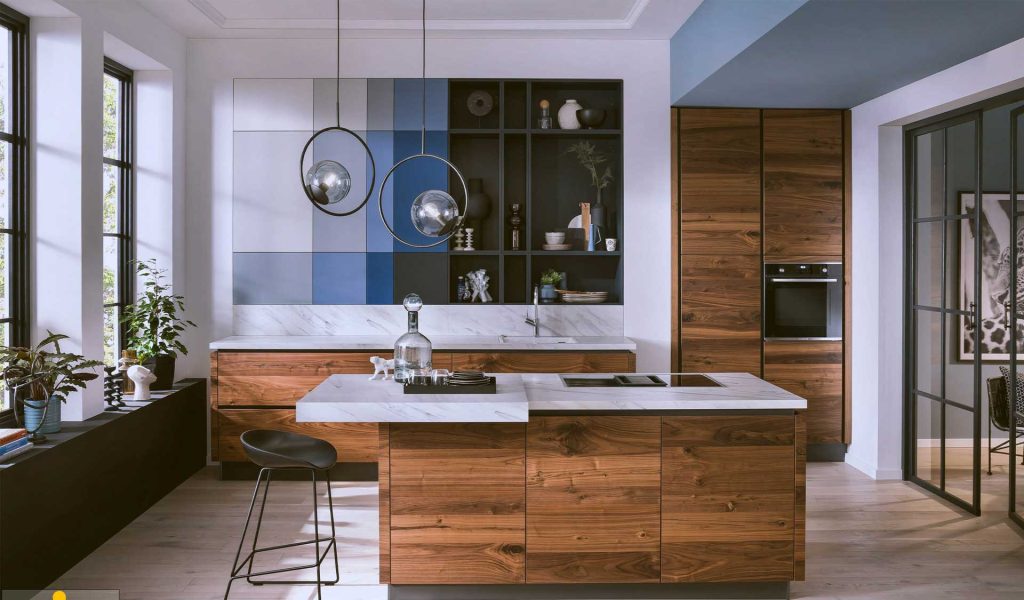
Crafting Elegant Walkways: 10 Simple Yet Breathtaking Design Tips
Designing a walkway is more than just connecting two points—it’s about creating an experience. A well-designed pathway guides movement, enhances visual appeal, and sets the tone for the entire outdoor space. Whether it leads to your front entrance, garden, or backyard, a thoughtfully planned walkway can dramatically improve the overall look and feel of your property. In this guide on 10 Simple Yet Breathtaking Design Tips, you’ll learn how to turn even the most basic path into a visually stunning and functional feature without overcomplicating the design process.
The foundation of any great walkway begins with planning the layout. Instead of automatically choosing a straight path, consider how movement flows through your space. Curved pathways often feel more organic and inviting, while straight lines create a formal and structured look. The choice depends on your home’s architecture and landscape style. A winding path through a garden can create a sense of discovery, while a direct path to the entrance communicates clarity and purpose. This balance between aesthetics and usability is what makes the 10 Simple Yet Breathtaking Design Tips approach so effective.
Material selection is another critical element that defines the personality of your walkway. Natural stone brings a timeless and earthy charm, while brick offers warmth and tradition. Concrete pavers are versatile and modern, making them suitable for contemporary homes. Gravel paths, on the other hand, create a rustic and relaxed feel. The key is to choose a material that complements both your home’s exterior and the surrounding environment. Durability should also be considered, as the walkway will be exposed to weather conditions and regular foot traffic. When chosen wisely, materials can elevate the entire design while remaining practical.
Patterns and arrangement styles can significantly enhance the visual appeal of your walkway. Instead of laying pavers in a simple linear format, consider experimenting with designs such as herringbone, basketweave, or staggered layouts. These patterns add character and depth, making the pathway more engaging. Even subtle variations in alignment can create a unique look without increasing complexity. This is where creativity plays a major role, allowing you to personalize the design while still following the principles of the 10 Simple Yet Breathtaking Design Tips.
Incorporating greenery along the walkway edges can soften the overall appearance and create a seamless connection with nature. Plants, shrubs, and ground covers not only enhance aesthetics but also bring life and color to the space. Low-maintenance plants are ideal for this purpose, as they require minimal upkeep while still providing a lush and inviting feel. You can also use flowering plants to introduce seasonal variation, ensuring that your walkway looks fresh and vibrant throughout the year.
Lighting is an often-overlooked aspect that can completely transform the ambiance of a walkway. Proper illumination not only improves safety but also highlights design elements and textures. Soft, warm lights placed along the edges or embedded within the pathway can create a welcoming and elegant atmosphere. Solar-powered lights are an eco-friendly option, while LED fixtures offer durability and energy efficiency. Thoughtful lighting design ensures that your walkway remains functional and visually appealing even after sunset, aligning perfectly with the philosophy behind the 10 Simple Yet Breathtaking Design Tips.
Another important factor to consider is the width and proportion of the walkway. A path that is too narrow may feel restrictive, while one that is too wide can appear disproportionate. The ideal width depends on its purpose—main entry pathways should be wide enough for two people to walk comfortably, while secondary garden paths can be narrower. Maintaining proper proportions ensures a balanced and harmonious design that complements the surrounding space.
Adding focal points along the walkway can enhance its visual interest and create a sense of destination. Elements such as decorative planters, sculptures, or small water features can break the monotony and draw attention. These features should be placed strategically to guide the eye and create moments of visual pause. When done correctly, focal points can elevate a simple walkway into a memorable design feature that reflects your personal style.
Texture is another powerful design element that can add depth and character to your walkway. Combining different textures—such as smooth pavers with rough stone edges—creates contrast and visual intrigue. Textured surfaces also improve safety by providing better grip, especially in wet conditions. This practical yet aesthetic approach is a key part of the 10 Simple Yet Breathtaking Design Tips, ensuring that beauty and functionality go hand in hand.
Integration with the overall landscape is essential for creating a cohesive look. A walkway should not feel like an isolated feature but rather an extension of the surrounding environment. Coordinating colors, materials, and design elements with your home’s exterior and garden ensures a unified appearance. For example, using similar materials for pathways and patios can create a seamless transition between different outdoor areas.
Maintenance is often overlooked during the design phase, but it plays a crucial role in the long-term success of your walkway. Choosing durable materials and planning for proper drainage can prevent issues such as cracks, water accumulation, and weed growth. Regular cleaning and occasional repairs will keep the walkway looking fresh and well-maintained. By considering maintenance from the beginning, you can ensure that your design remains beautiful and functional for years to come.
The beauty of these 10 Simple Yet Breathtaking Design Tips lies in their simplicity and adaptability. They do not require extravagant budgets or complex construction techniques. Instead, they focus on thoughtful planning, smart material choices, and creative detailing. Whether you are designing a new walkway or upgrading an existing one, these tips provide a practical framework for achieving stunning results.
Another advantage of following the 10 Simple Yet Breathtaking Design Tips is the flexibility they offer. You can mix and match ideas based on your preferences and the specific requirements of your space. For instance, you might combine a curved layout with natural stone materials and soft lighting to create a serene garden path, or opt for a straight, modern design with concrete pavers and minimalist landscaping for a contemporary look.
As you implement these ideas, it’s important to maintain a balance between creativity and practicality. While it’s tempting to experiment with bold designs, the walkway should always serve its primary purpose of providing a safe and convenient path. Keeping this balance in mind ensures that your design remains both functional and visually appealing.
Ultimately, a well-designed walkway is more than just a path—it’s a journey that enhances the overall experience of your outdoor space. By applying the principles outlined in the 10 Simple Yet Breathtaking Design Tips, you can create a pathway that not only connects different areas but also adds beauty, character, and value to your home.
In conclusion, crafting an elegant walkway doesn’t have to be complicated or expensive. With the right approach, even the simplest design can have a breathtaking impact. The 10 Simple Yet Breathtaking Design Tips provide a clear and practical guide for transforming ordinary pathways into extraordinary features. By focusing on layout, materials, patterns, greenery, lighting, proportion, focal points, texture, integration, and maintenance, you can create a walkway that perfectly reflects your style while enhancing the overall appeal of your property.
For More Details, Connect with Our team today & Book a Site Visit. 100% Guaranteed Quotes across Dlf The Crest. Check out our Official Website for Modular kitchen & Wardrobe – Modularkitchengurgaon.com
Want to Design A Modular Kitchen? Visit: Design Indian Kitchen
Want to Design A Modular Wardrobe? Visit:- Design Indian Wardrobe
Connect With Us For Complete Modular Kitchen Manufacturing Visit:- Modular Kitchen Manufacturers